The right question isn't just smart or not
The choice between a smart charger and a non-smart (dumb) charger depends less on the technology than on the intended use. A detached house with one car, a company car park, and a block of flats do not have the same needs for control, monitoring, and access management.At MGTEC, we start by analysing how the charger will be used: charging frequency, available power, number of users, need for consumption tracking, and likely evolution in the coming years.
When a non-smart charger may suffice
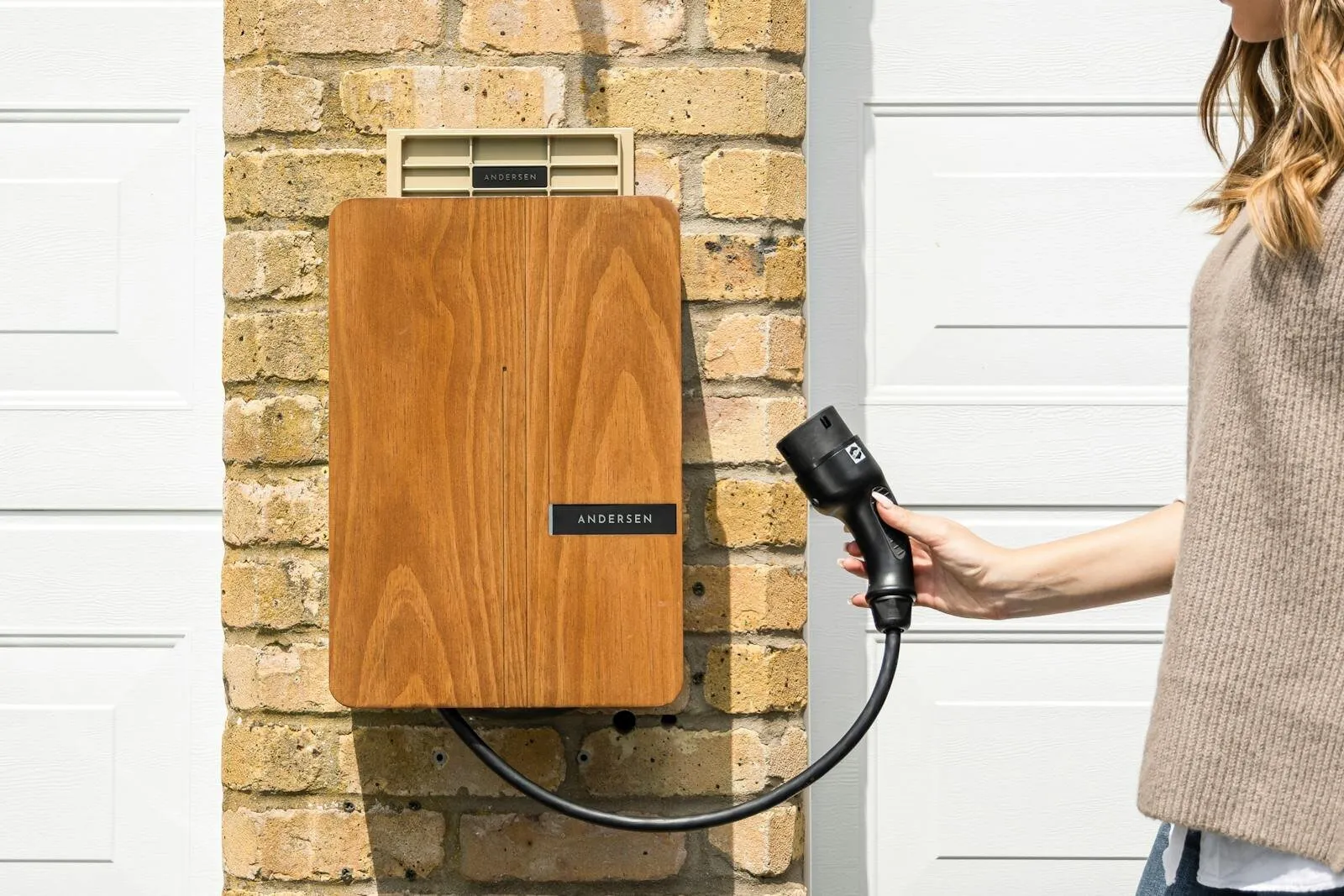
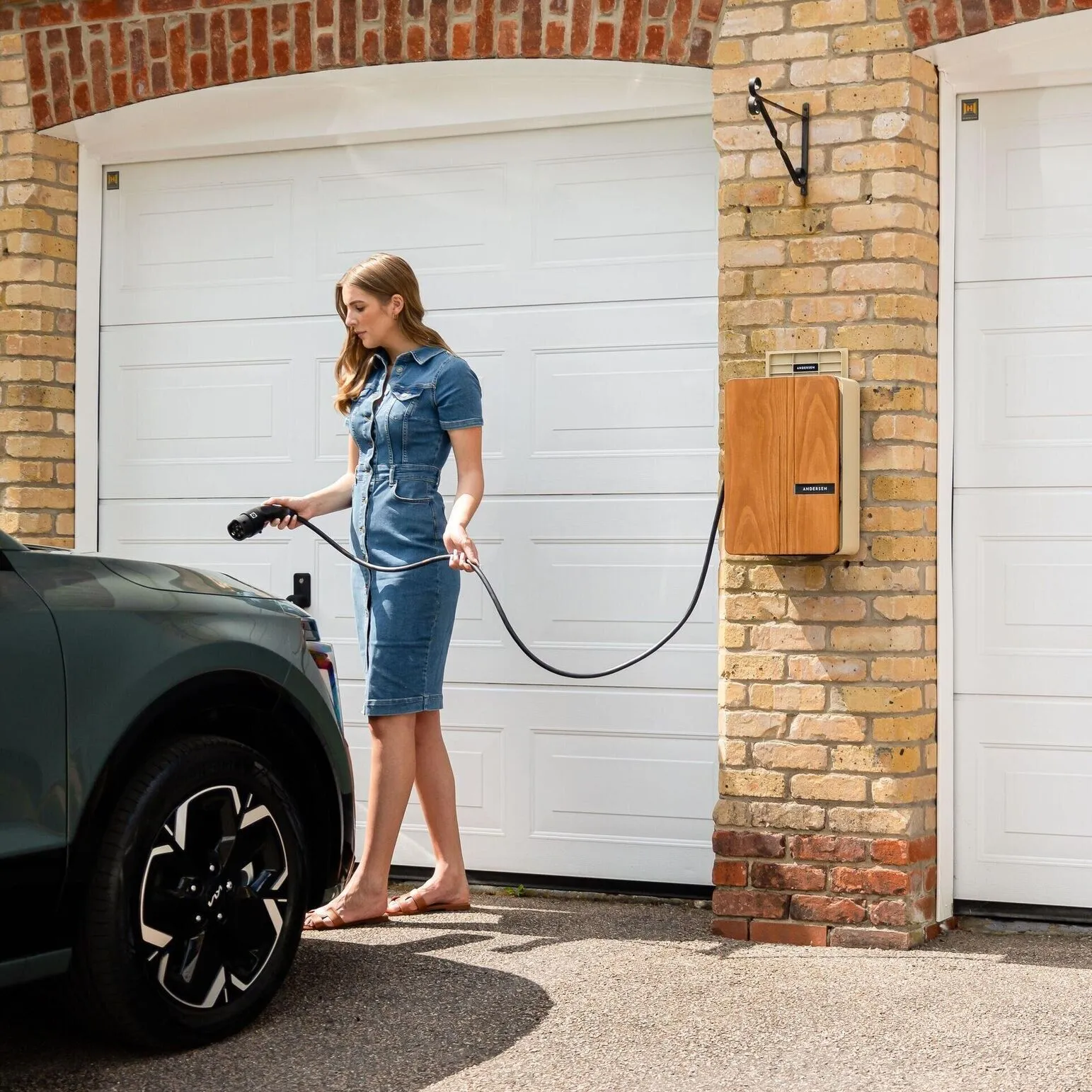
A non-smart charger can be relevant for simple residential use: one user, appropriate power, a well-protected installation, and primarily overnight charging. It limits advanced functions, but it can remain reliable and efficient when the need is stable.- Individual use without rebilling.
- No need for remote supervision.
- Charging scheduled directly from the vehicle or via simple operation.
- Controlled budget when the context does not justify advanced features.
What a smart charger provides
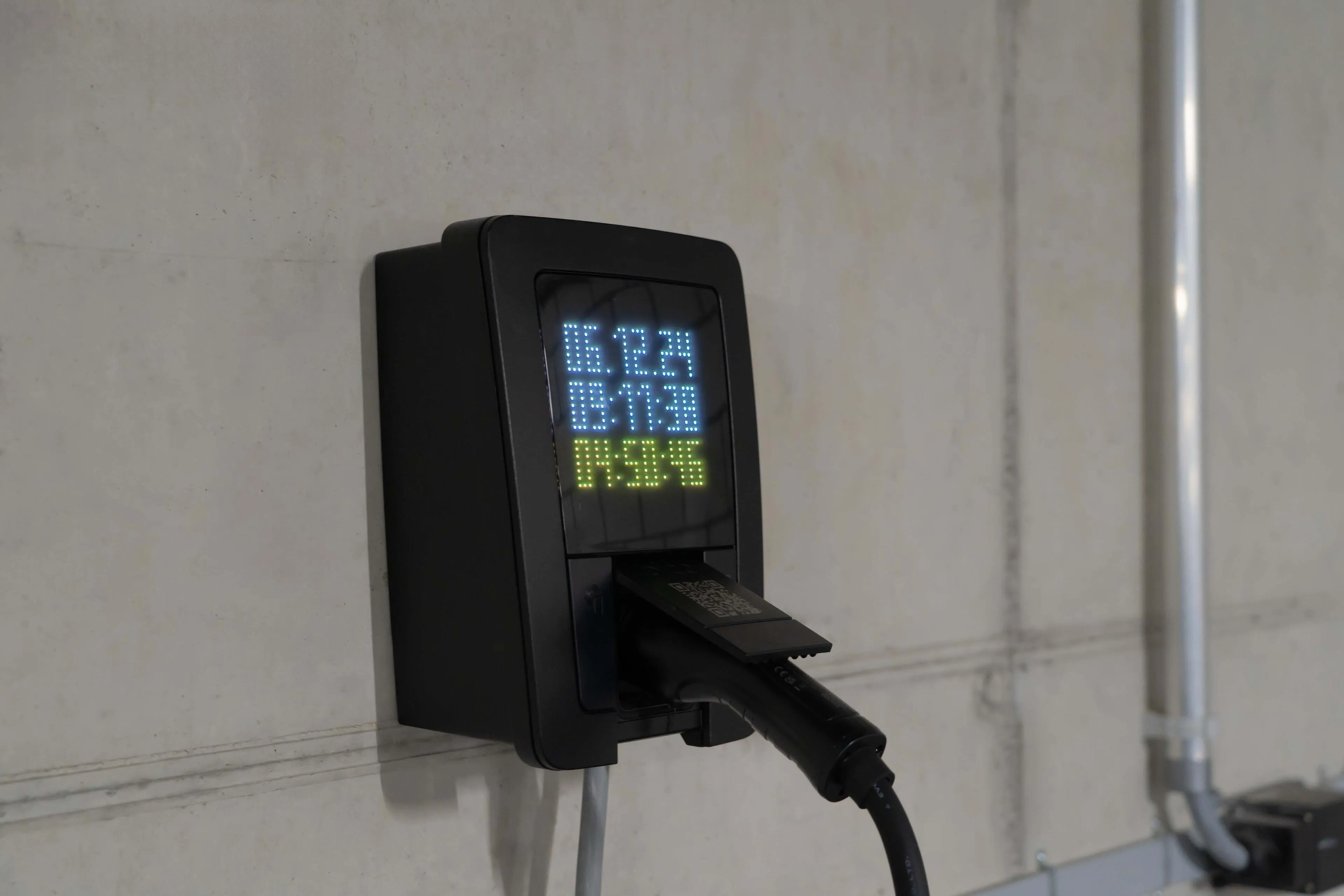
A smart charger allows you to schedule, monitor, control, and sometimes update the installation. Depending on the model, it can offer dynamic load balancing, consumption tracking, RFID badge access, supervision, or user prioritisation.Managed charging becomes particularly interesting when available power is limited or when several vehicles may charge at the same time. It helps avoid unnecessary power peaks and makes better use of off-peak hours.
Key takeaway
Connectivity is not a gadget if it serves a concrete need: load shedding, monitoring, sharing, maintenance, or preparing for a future extension.
Connectivity is not a gadget if it serves a concrete need: load shedding, monitoring, sharing, maintenance, or preparing for a future extension.
Cases where connectivity becomes structural
In apartment blocks, businesses, or shared car parks, the smart charger often becomes the most coherent solution. It allows for better management of users, consumption, access rights, and maintenance interventions.For a company, it also facilitates usage tracking: service vehicles, employees, visitors, and a growing fleet. Without a management tool, the car park can quickly become difficult to administer.
Should savings be promised?
Smart control can help optimise charging costs, notably by scheduling sessions during the most favourable periods or by limiting power peaks. However, fixed savings should not be promised: they depend on the electricity contract, the vehicle, the subscription, charging behaviour, and actual settings.In 2026, one must also remain cautious about tax incentives. Tax credits for home chargers should no longer be presented as a systematic benefit for new expenses paid from 1 January 2026.
MGTEC's advice
Our recommendation is pragmatic: choose a non-smart charger when the need is simple and stable, and opt for a smart charger when the installation needs to be managed, shared, supervised, or scalable.Before deciding, MGTEC checks the available power, the electrical panel, daily usage, and site constraints. It is this analysis that allows for the choice of a sustainable solution, not just the charger's technical data sheet.