Choosing a charging station should never be limited to comparing power ratings and prices. A good installation depends on the vehicle, the meter, the location, charging habits, safety constraints, and the need for future scalability.
In 2026, the context also requires more caution regarding grants and taxation. Certain schemes have evolved, and conditions must be verified at the time of the quote rather than relying on outdated information.
1. Choose useful power, not just a high number
The power must match your usage. For many homeowners, a 7.4 kW station already covers daily needs. Power ratings of 11 kW or 22 kW can be interesting if the vehicle accepts this AC power and if the electrical installation can support it.MGTEC always checks the available power, the type of installation (single-phase or three-phase), and daily needs before recommending a model.
2. Look at control and connectivity
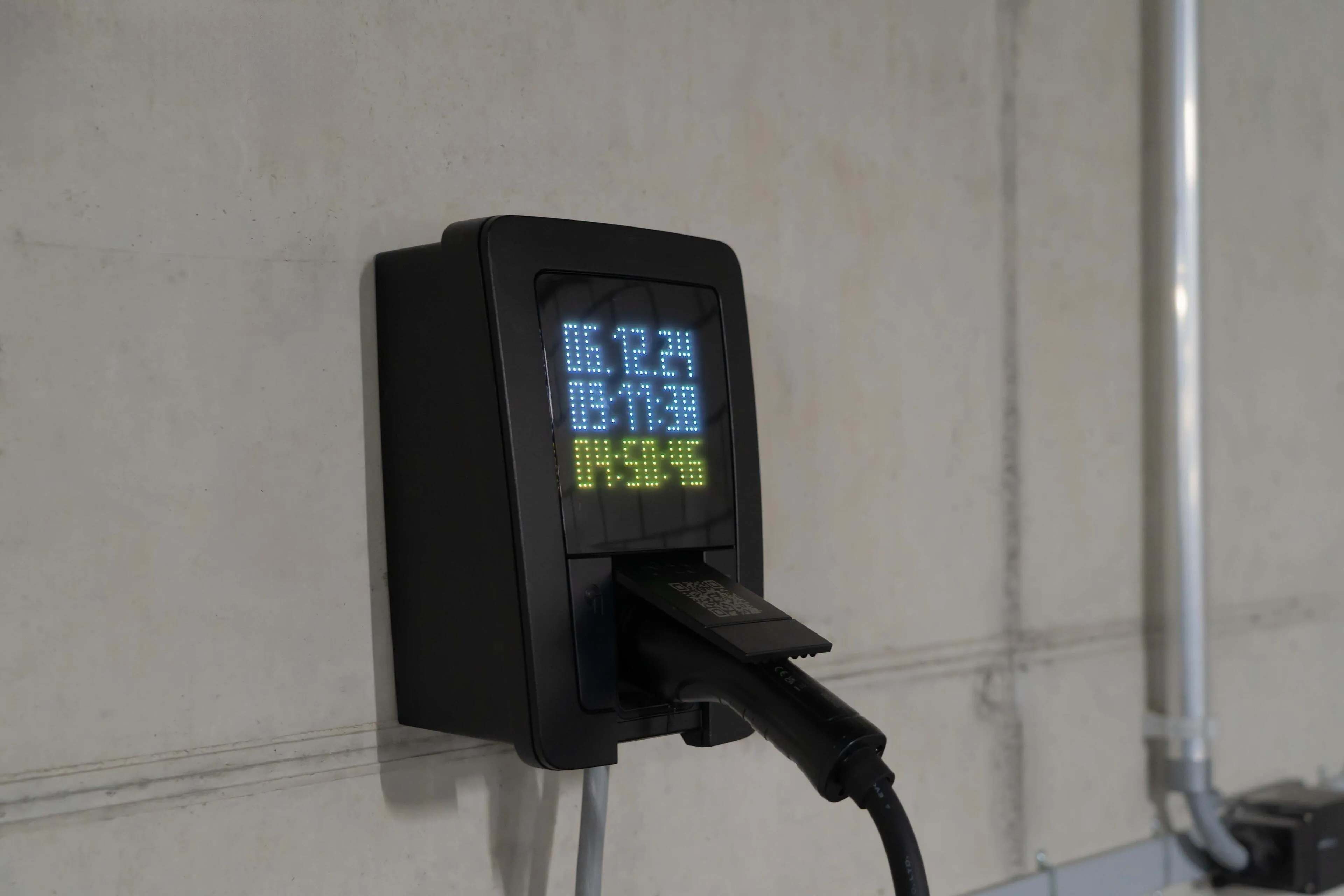
A connected station can schedule charges, track consumption, activate dynamic load shedding, or manage multiple users. It is particularly useful for businesses, apartment blocks, or when the electricity subscription needs to be optimised.A non-connected station may suffice in a simple residential context. The real question is: do you need to control, track, or upgrade your installation?
MGTEC Advice
A scalable station sometimes costs a little more initially, but it avoids having to redo the installation if your usage changes in two years.
A scalable station sometimes costs a little more initially, but it avoids having to redo the installation if your usage changes in two years.
3. Validate the location before the hardware
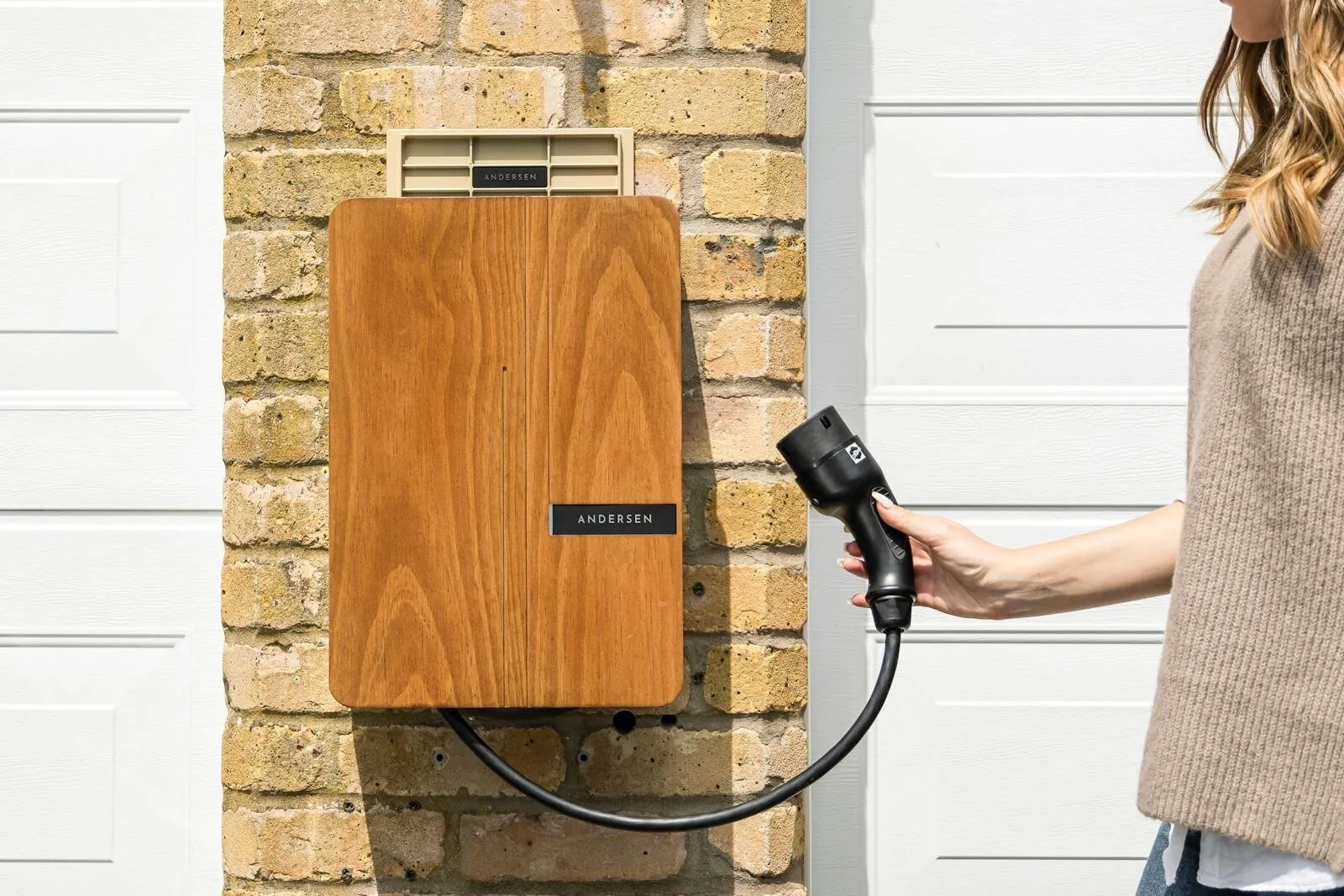
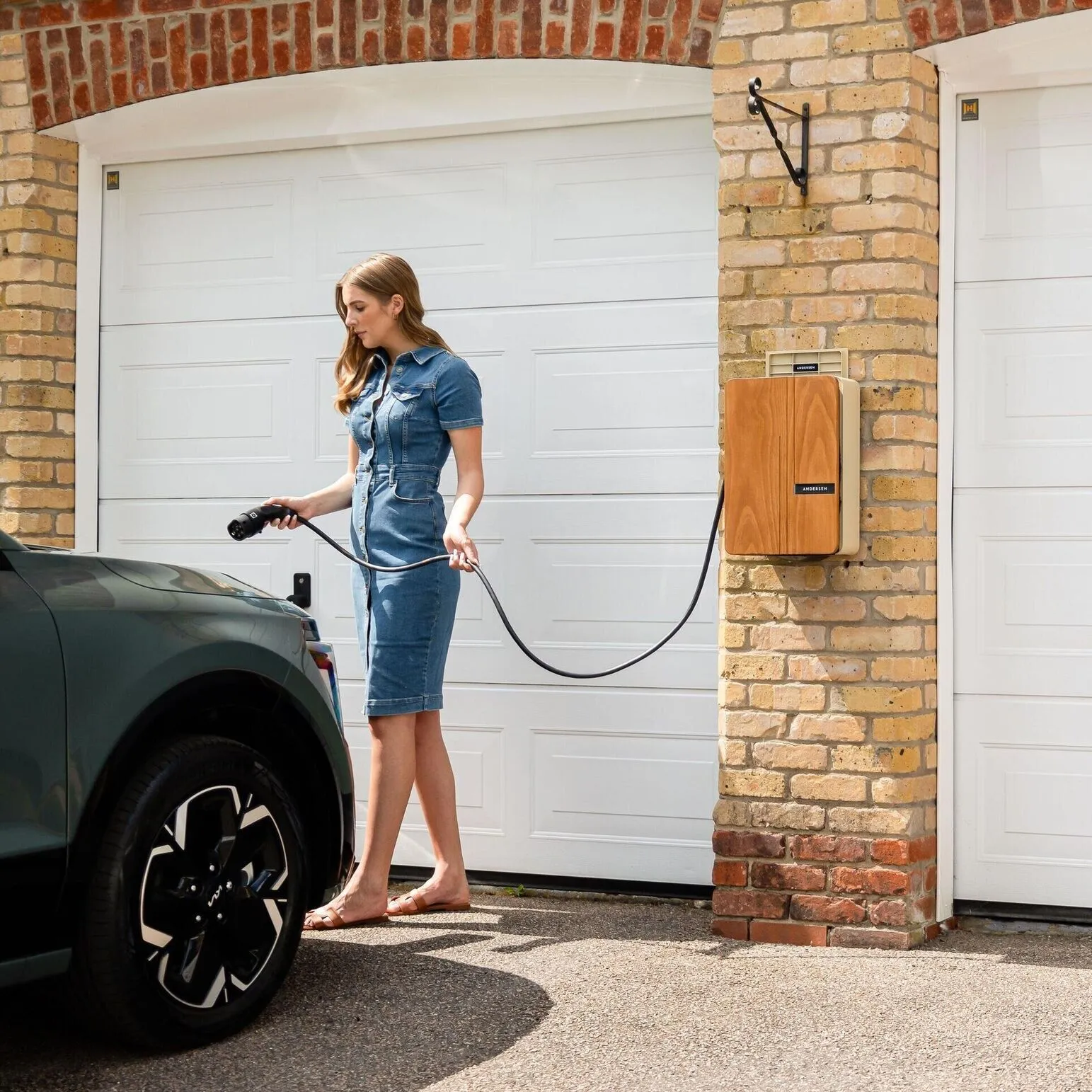
A good location facilitates daily use and limits technical constraints. You must consider the distance to the distribution board, cable routing, exposure to rain, risk of impact, accessibility, and the cable length needed to plug in the vehicle without tension.For an outdoor installation, the equipment and mounting must be adapted to weather conditions and the space around the vehicle.
4. Do not underestimate compliance
A charging station is not just a reinforced socket. Depending on the power and context, regulations require the intervention of a qualified IRVE professional. The installation must include a dedicated circuit, adapted protections, and compliant implementation.Compliance protects people, the property, and the equipment. It also facilitates maintenance and avoids unpleasant surprises in the event of an inspection or claim.
5. Check grants at the time of the quote
Support schemes evolve. Tax credits for home charging stations should no longer be presented as guaranteed for new expenses paid from 1 January 2026. Reduced VAT may remain possible under certain conditions, and specific programmes like ADVENIR mainly concern specific contexts, notably collective housing.Our recommendation: treat grants as a final verification, after defining a correct technical solution.
The MGTEC checklist before choosing
- Current and likely future vehicle.
- AC power accepted by the vehicle.
- Available power at the meter.
- Distance between board and station and possible routing.
- Need for control, tracking, or load shedding.
- Individual use, apartment block, business, or shared parking.
- Tax conditions and grants verified at the time of the quote.
Making the right choice means avoiding regrets
A well-chosen station should be convenient today and still relevant tomorrow. MGTEC supports you in this choice with a field-based approach: installation analysis, sizing, safety, scalability, and clean commissioning.To check the tax aspect before accepting an offer, consult the official government tax page on tax credits. Eligibility rules and dates must be confirmed at the time of the quote.