The ideal power output is not always the highest
When choosing a home charging station, the temptation is often to aim for maximum power. However, a more powerful charger is only useful if the vehicle, the electricity contract, and the installation can truly support it.Correct sizing involves finding the balance between charging convenience, electrical safety, and installation costs. This is exactly the purpose of the technical survey carried out before providing a quote.
4 criteria to consider before choosing
- Your daily needs: how many miles do you need to recover between charges?
- Available time: overnight charging, daytime charging, occasional or intensive use.
- The vehicle's onboard charger: some vehicles limit the charging power in alternating current (AC).
- Available power at the meter: the installation must be able to power the station without causing trips.
Why 7.4kW is often sufficient for detached houses
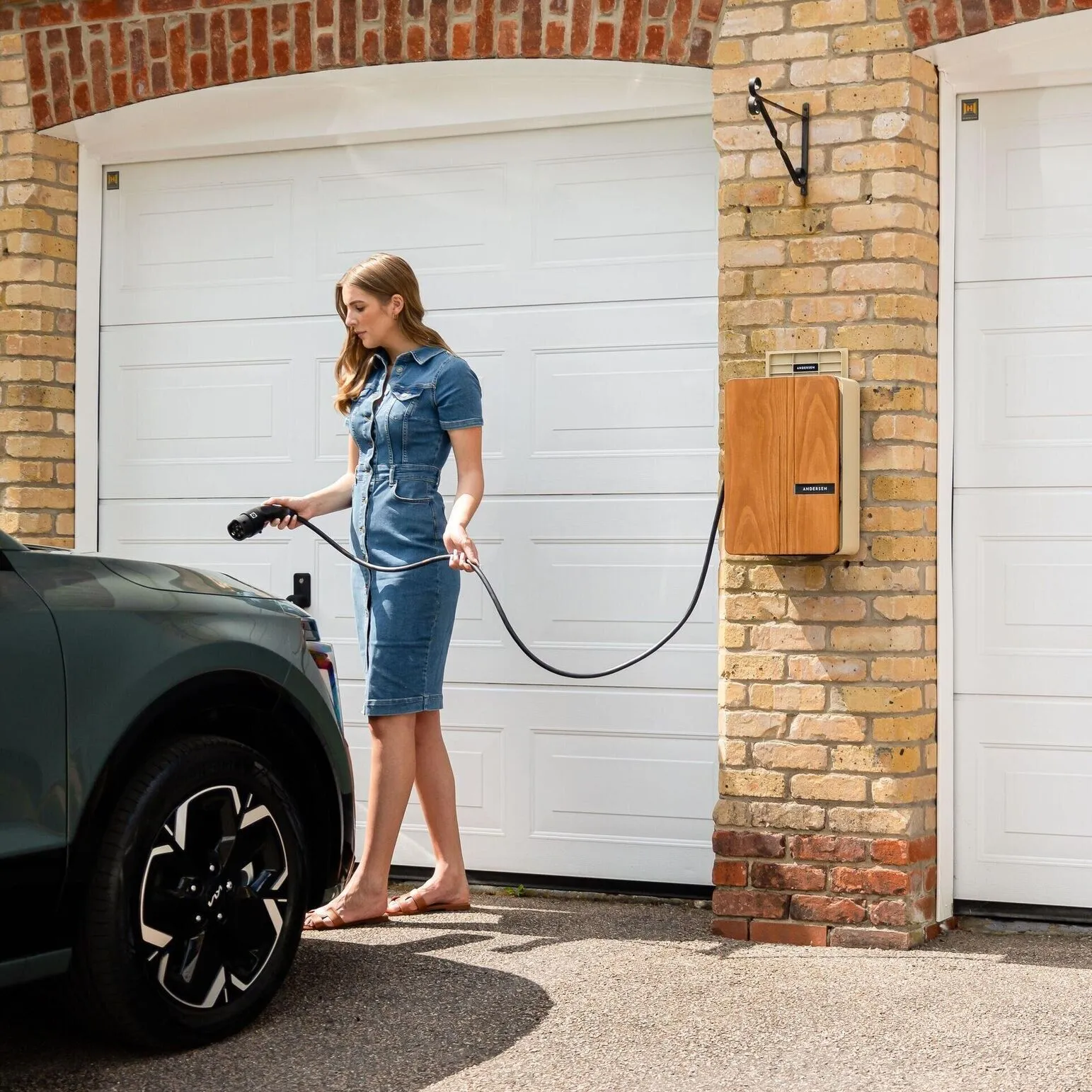
For most residential uses, a 7.4kW AC single-phase charger more than covers daily needs. It allows for charging during long periods of inactivity, particularly at night, without requiring a switch to a three-phase installation.It is often the best compromise for a homeowner: comfortable charging times, simpler installation, and easier adaptation to an existing home.
Expert Insight
A 22kW station will not speed up charging if your vehicle does not accept this AC power or if your installation cannot supply it correctly.
A 22kW station will not speed up charging if your vehicle does not accept this AC power or if your installation cannot supply it correctly.
When to consider 11kW or 22kW?
11kW or 22kW outputs can be relevant in certain cases: compatible vehicle, need for faster turnaround, available three-phase installation, or professional use. However, they require a more thorough check of the contract, the distribution board, and the cable routing.For larger projects, grid operators distinguish connections based on power thresholds. This can change the administrative and technical procedures.
Electrical safety above all
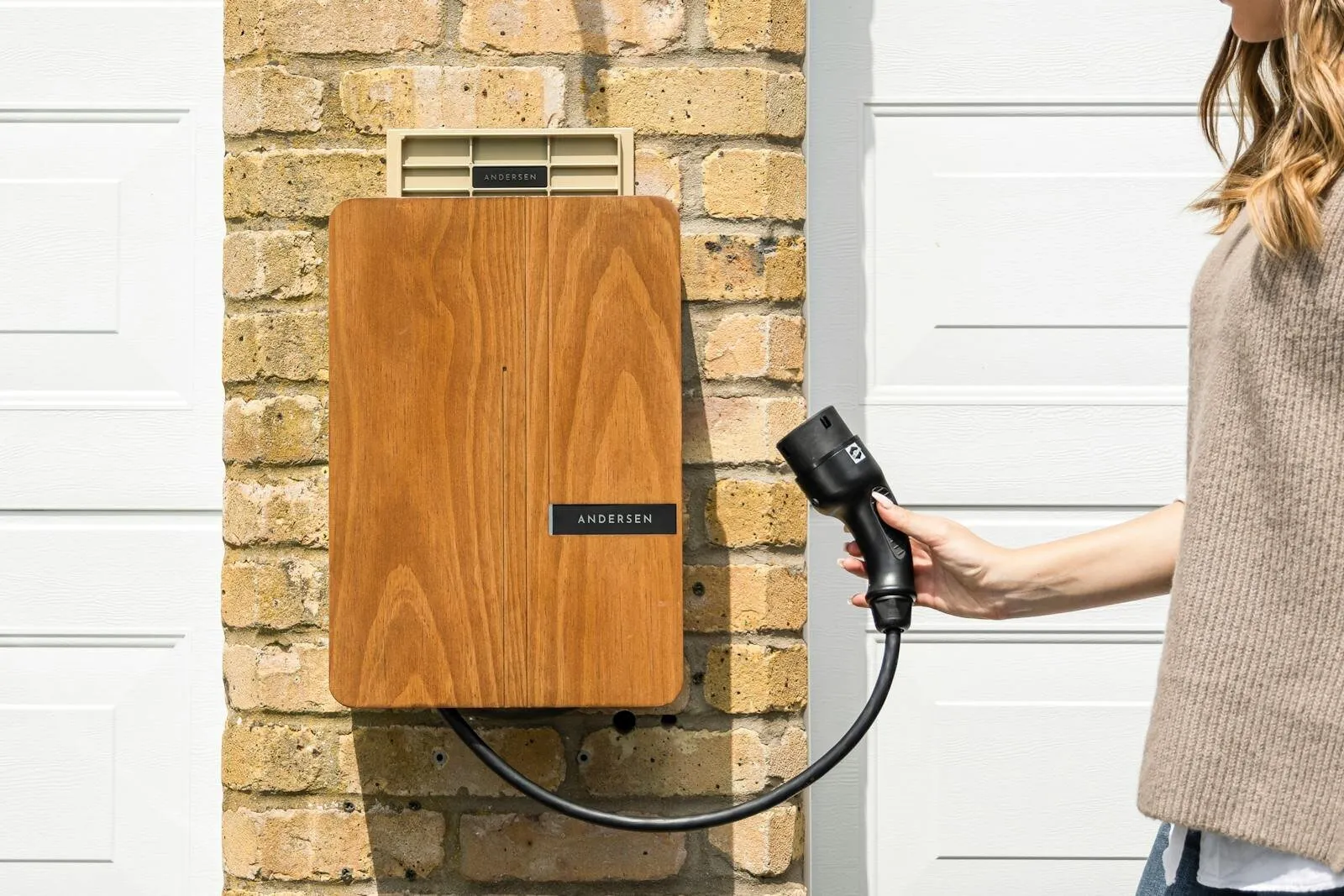
A charging station must be installed on a dedicated circuit with appropriate protection, including a dedicated 30mA RCD per charging point. Cable sizing, the distance between the board and the station, the environment, and maintenance accessibility are just as important as the rated power.Beyond very limited low-power cases, the intervention of a qualified EVSE professional is essential to guarantee a compliant and durable installation.
How MGTEC sizes your charging station
MGTEC doesn't start with a theoretical power figure. We analyse your vehicle, your habits, your distribution board, your contract, and the intended location. The goal is to install a sufficient station, scalable if necessary, without unnecessarily over-sizing the project.Correct sizing avoids two classic mistakes: installing a system that is too weak and lacks convenience, or installing one that is too powerful and paying for complexity that adds nothing to actual use.