Combining solar and charging: a logic of usage above all
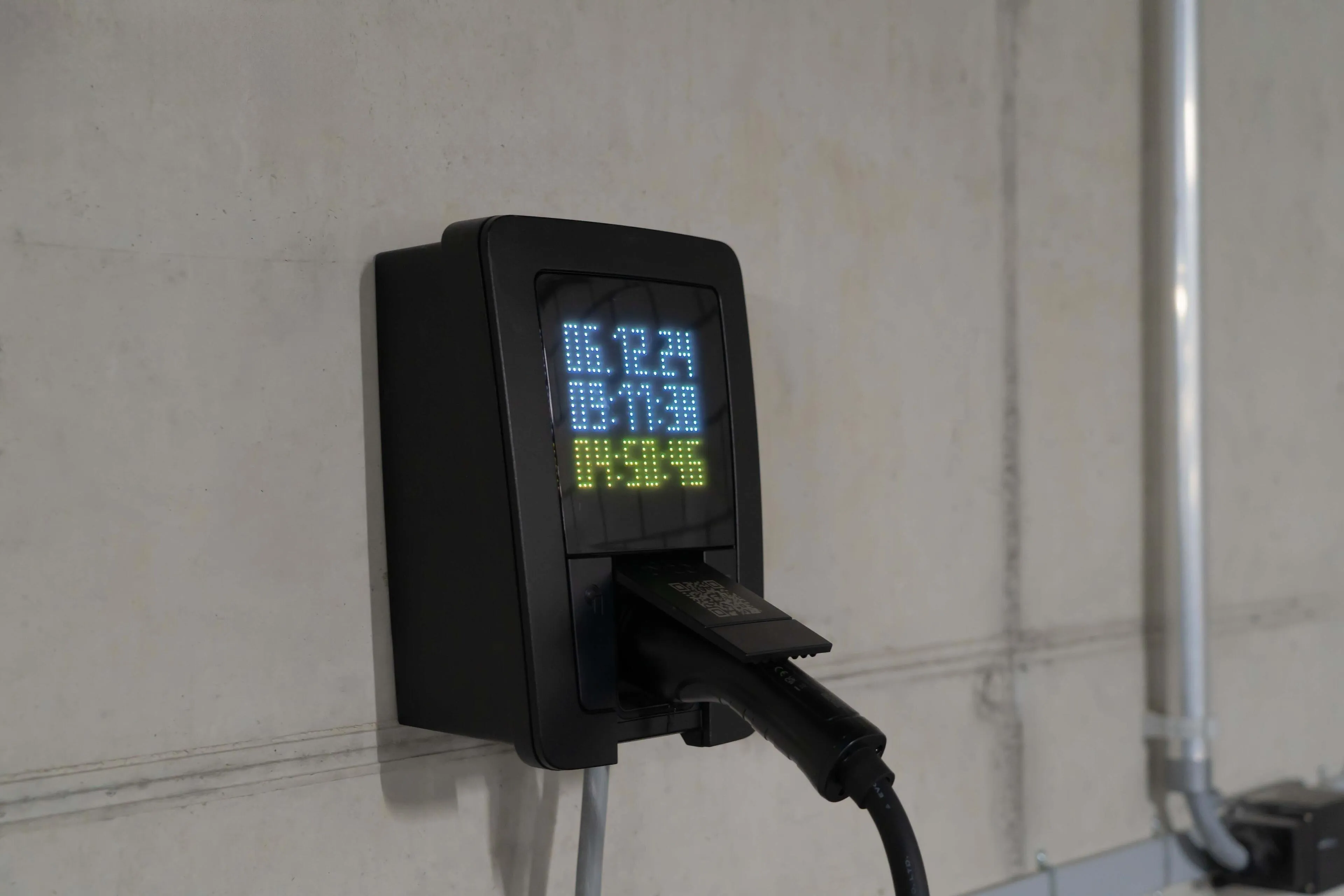
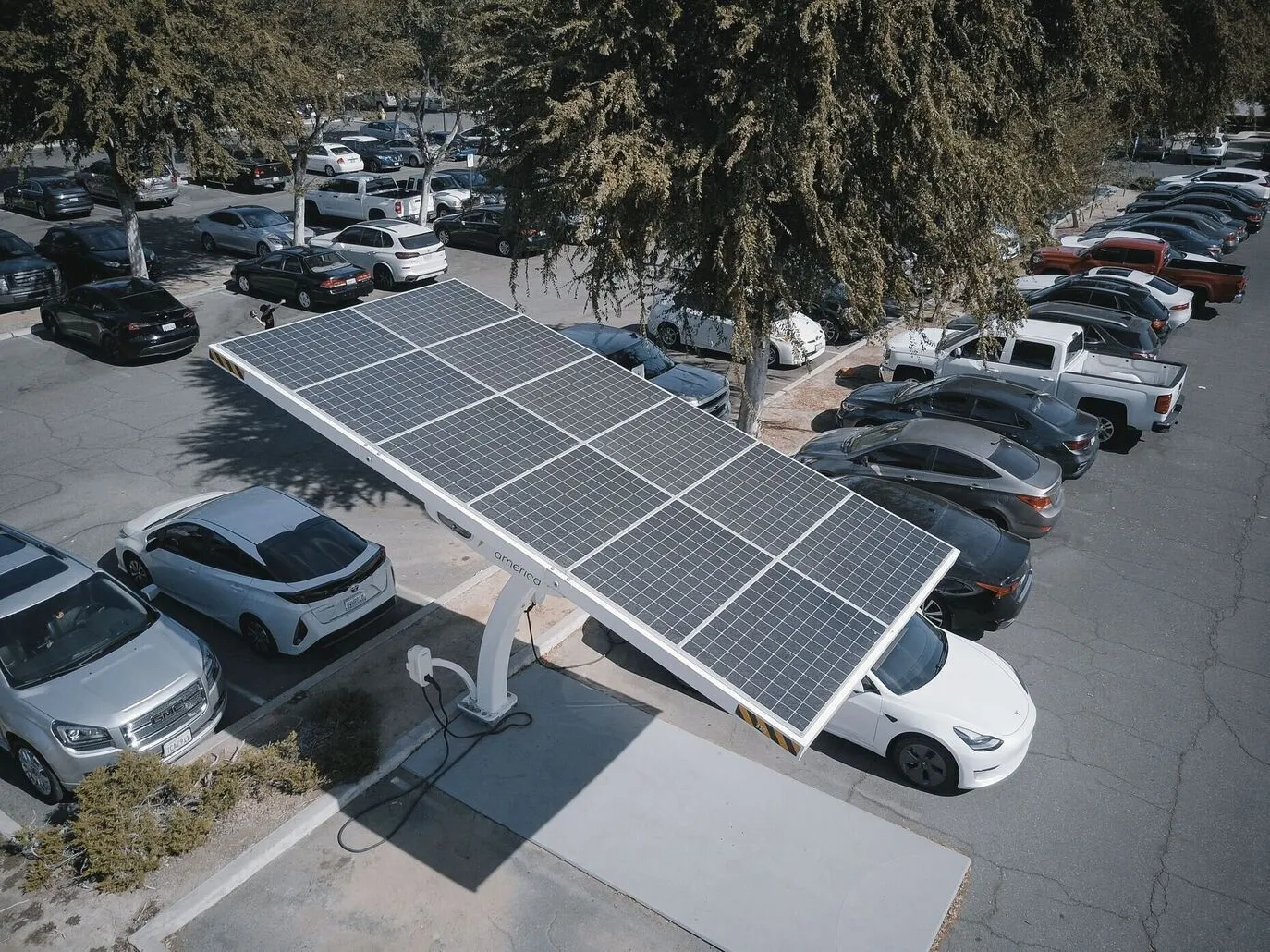
Installing solar panels and a charging point may seem obvious: produce locally, then use that energy to charge an electric vehicle. In practice, the gain depends mainly on the control system. A car is not always plugged in when solar production is at its peak, and a poorly configured charger may continue to draw from the grid when the goal was to increase self-consumption.The right starting point consists of analysing the vehicle's presence schedule, available solar power, other electrical uses of the building, and the distribution board capacity. Without this global overview, the project risks producing a good theoretical result that is poorly optimised in daily life.
Sizing the installation and charging setup
An overly powerful charger is not always the best solution in a solar project. It can speed up charging, but also quickly exceed available production and trigger a significant grid top-up. Conversely, better-managed power can increase the share of self-consumed energy, even if the charging is more gradual.Sizing must take several parameters into account: installed photovoltaic power, potential storage capacity, contracted power, charging frequency, daily distance travelled, and whether fast charging is required. This approach avoids oversizing the installation solely for occasional use.
Field advice
The question to ask is not "what is the maximum power?", but "what is the useful power at the right time?".
The question to ask is not "what is the maximum power?", but "what is the useful power at the right time?".
The role of smart management
Smart management is the most important lever for improving performance. It allows charging to be adapted to available production, avoids consumption peaks, and prioritises the right time slots. Depending on needs, you can programme time slots, adjust start-up thresholds, or integrate more advanced supervision.- Solar windows: encourage charging during actual production hours.
- Power thresholds: avoid starting a charge too early if available production is insufficient.
- Usage priorities: decide between vehicle charging, building consumption, and potential storage.
Measuring to improve over time
A solar + EV charging project must be monitored after installation. The first few months allow you to verify if the settings truly match usage habits. You can track energy produced, locally consumed energy, the share exported, grid calls, and the periods when the charger is used most often.At MgTEC, we recommend this monitoring logic because it transforms the installation into an evolving system. Settings can be refined, usage can change, and the installation can be adapted progressively rather than being fixed from day one.