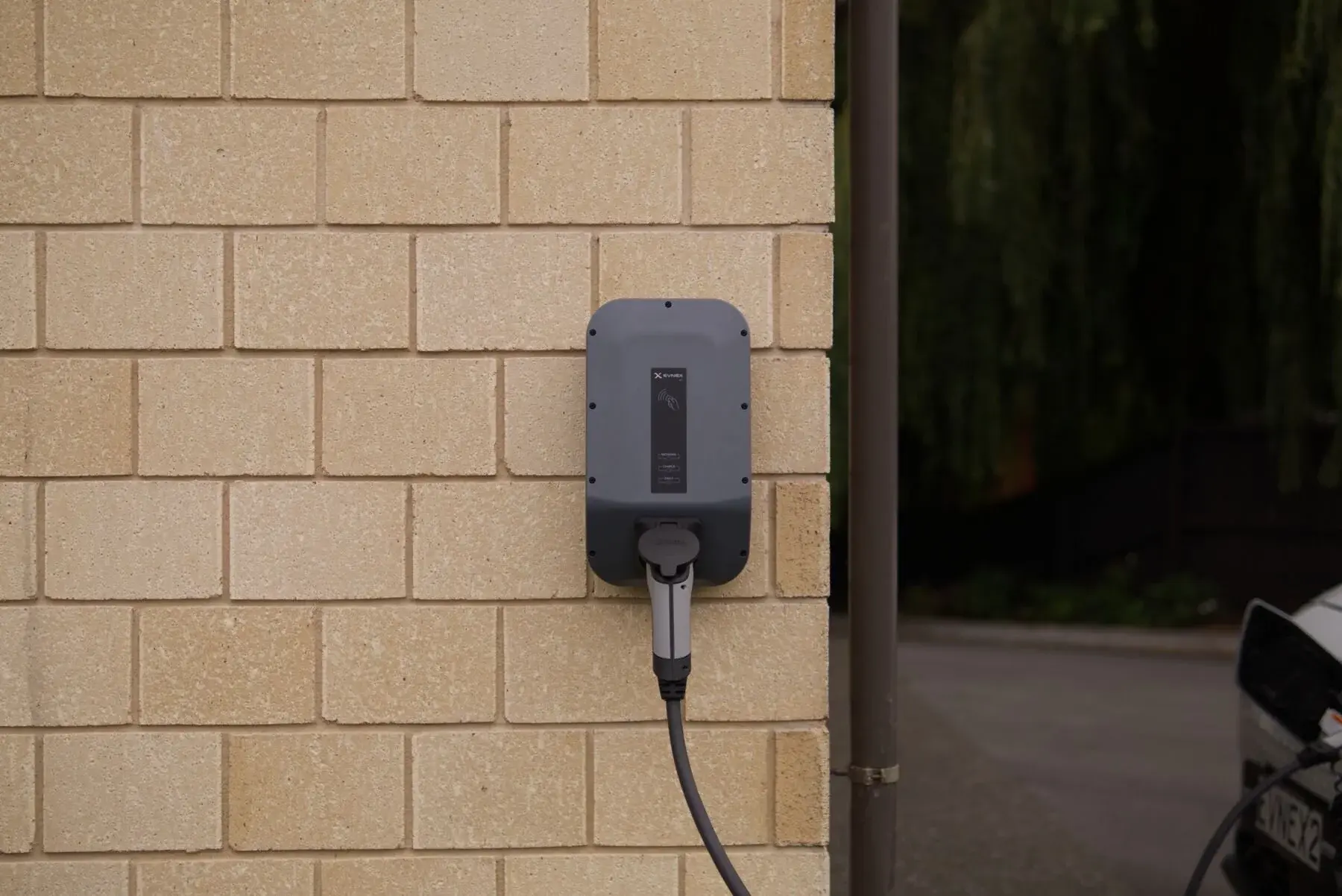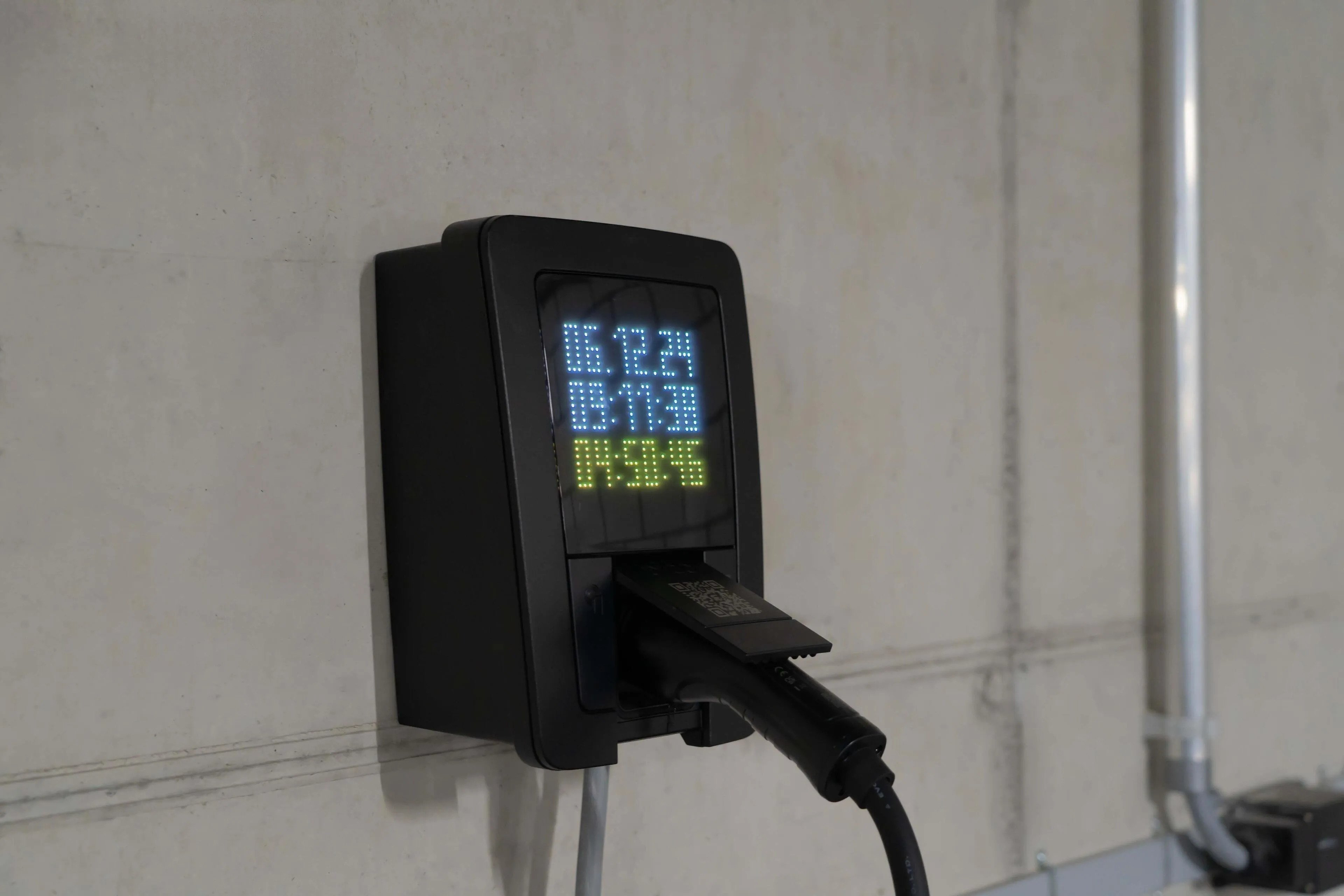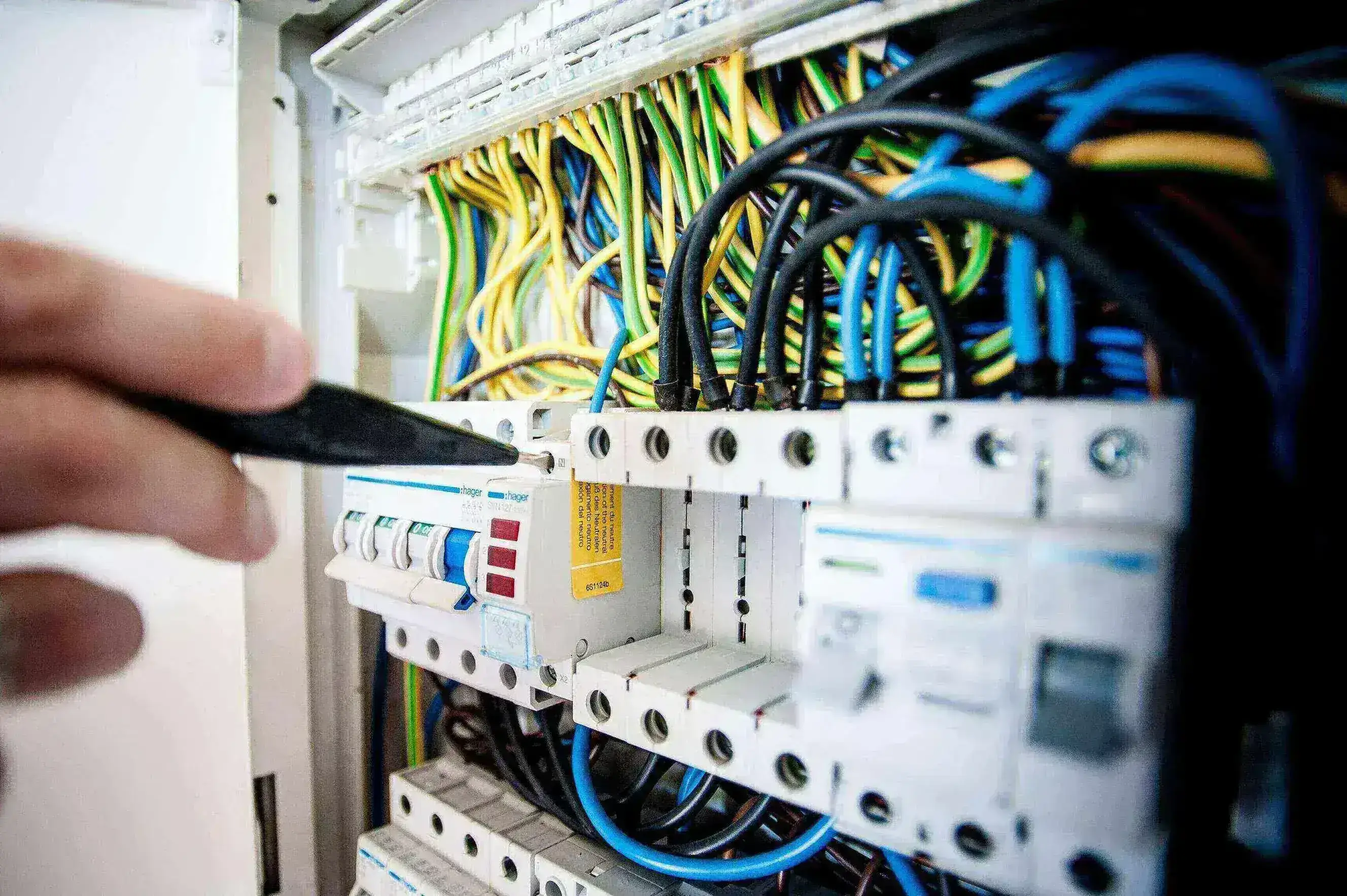
In a detached house in Essonne, Seine-et-Marne, Val-de-Marne, or elsewhere in the Île-de-France region, the project rarely depends on the charging station alone. The consumer unit, the earthing, the distance to the parking space, the cable routing, and the power already used by the home can all affect the solution required and the content of the quote.
Why check the installation before the quote?
A charging station operates for several hours and adds regular electrical usage to the home. The quote must therefore be based on the actual situation: location of the consumer unit, apparent condition of the protections, length of the cable run, installation conditions, and appliances running in parallel.A preliminary check also helps distinguish between what relates to the charging station and what relates to the existing installation. An old consumer unit, earthing that needs checking, or an outdoor cable run do not automatically mean the project is impossible. They simply indicate that certain checks or adaptations must be integrated from the start, rather than discovered after the quote has been accepted.
On-site checklist: from the consumer unit to the parking space
The first step is to observe the entire route without opening equipment or touching conductors. Photos taken from a distance of the closed consumer unit, the meter, and the parking space can help prepare for the initial discussion.Here are the useful points to note:
- The consumer unit: location, accessibility, apparent condition, available space, and any existing rows or protections already identified for major appliances.
- The house power supply: single-phase or three-phase indication if known, meter type, subscribed power, and any circuit breakers that already trip when several appliances run together.
- Earthing: presence of a protective conductor and an identifiable earthing installation. Its quality cannot be determined by a simple glance: it must be measured by the professional.
- Protections: identification of visible circuit breakers and RCDs, without concluding on their compliance yourself. A charging station must be supplied by a dedicated circuit and protected according to the chosen charging configuration.
- Distance between consumer unit and station: route through the garage, cellar, outdoor areas, or an outbuilding, including any changes in direction, drilling, and crossings.
- Car location: usual position, required clearance, exposure to moisture or impacts, useful cable length, and the risk of leaving a cable across a walkway.
What the professional must check during the pre-diagnosis
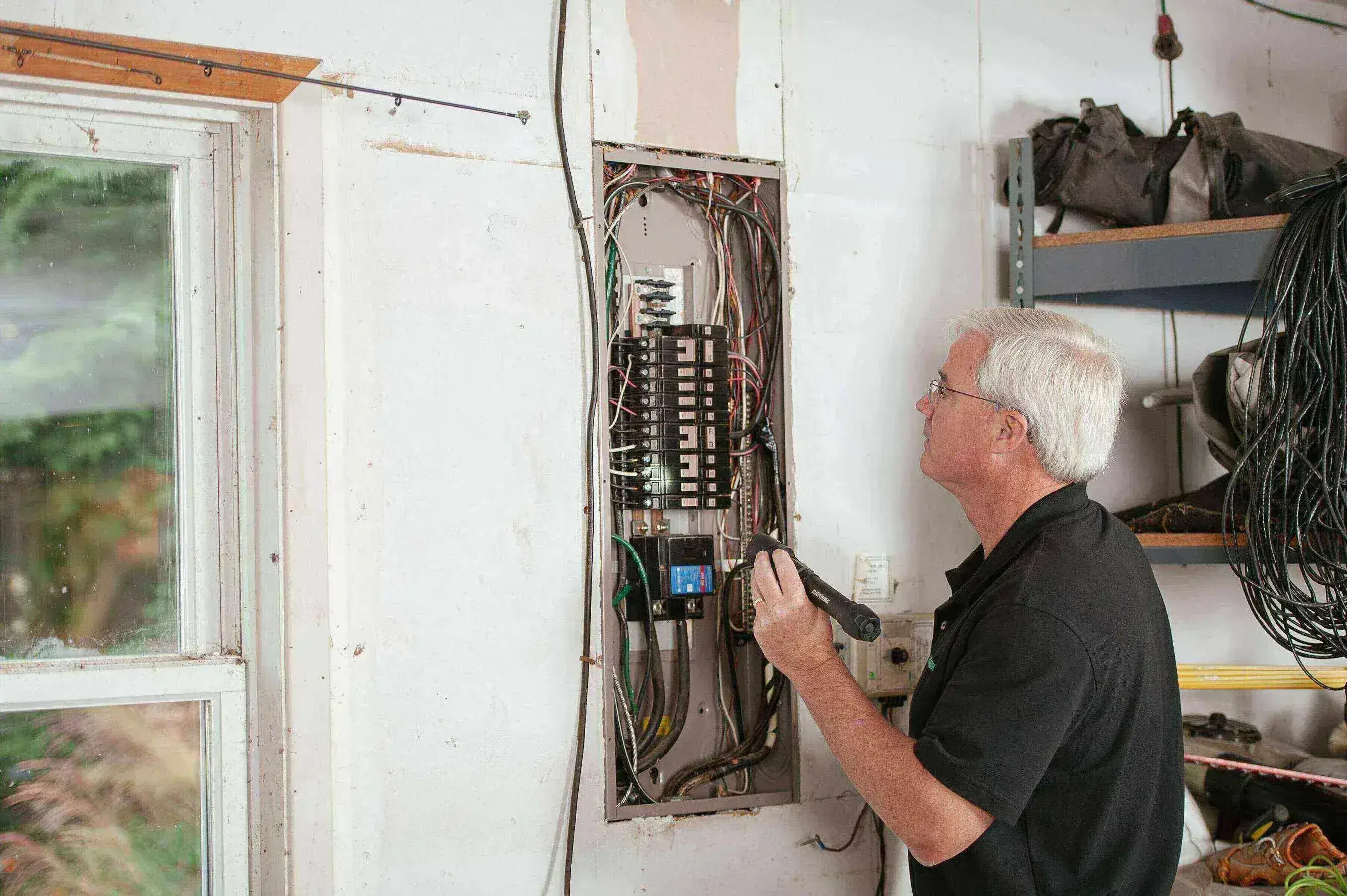
The pre-diagnosis turns observations into electrical checks. The professional can examine earthing continuity and quality, the condition of conductors, insulation, RCD tripping, and the presence of conditions necessary for safe charging. Exact measurements depend on the installation, the station, and the charging mode; there is no single value that can be deduced from a photo of the consumer unit.The consumer unit must be able to accommodate the charging circuit and suitable protections. The French regulatory framework requires a dedicated circuit for each charging point and a dedicated RCD with a sensitivity of no more than 30 mA. The type of protection and additional devices depend on the equipment and charging mode. They should therefore not be chosen from a universal list copied from the Internet.
The professional also checks the cable route. A short, protected link in a garage is not handled the same way as a long link to an outbuilding, an exterior wall, or a separate parking area. The routing may require trunking, crossings, impact protection, or a buried solution appropriate to the context. This work must appear clearly in the quote, alongside the supply and installation of the charging station.
Finally, the available power must be compared with the home's usage. Electric heating, hot water tanks, cooking, heat pumps, or another vehicle may operate at the same time as charging. The professional can then look into adjusting the subscription, a power setting, or a management device that modulates charging when the house consumes more. Load management does not fix a dangerous installation: it helps manage available power that has been correctly assessed.
Preparing a useful pre-diagnosis before the visit
A few simple pieces of information save time without replacing the technical visit. Above all, they help identify questions that will need to be decided on-site and avoid a quote based on overly general assumptions.You can gather:
- a clear photo of the closed consumer unit and, if possible, the meter or the surrounding area;
- the subscribed power indicated on your contract or supplier account, as well as single-phase/three-phase information if known;
- the vehicle model and its AC charging power, solely to define the requirement;
- a description of the route between the unit and the space: attached garage, exterior wall, courtyard, outbuilding, or distance between buildings;
- major electrical equipment likely to be running during charging hours.
What self-checking cannot conclude
Looking at a consumer unit does not allow you to declare an installation compliant, validate a cable section, or confirm that a charging station can operate at its rated power. Even a recent unit can hide insufficient earthing, unsuitable protection, phase imbalance, or constraints on the cable route. Conversely, an old installation may be improvable without needing to rewire the whole house.The owner can therefore prepare information, measure the route distance, and describe their usage, but electrical measurements and work remain the responsibility of a professional authorised and IRVE-qualified when regulations require it. Do not remove covers, handle conductors, perform live measurements, or modify the consumer unit to obtain a quote.
Post-installation formalities are not identical in all cases. The type of building, the connection, the power at the delivery point, and the nature of any modification can change the documents required. For a detached house, the best approach is to ask the professional to confirm the procedure applicable to the specific project, rather than assuming a certificate or exemption is automatic.
A reliable quote starts with a precise assessment
Before comparing several offers, check that they are based on the same information: location of the station, length and method of routing, planned protections, earthing check, available power, potential consumer unit adaptations, and commissioning conditions. A quote that does not specify these assumptions is difficult to compare, even if the amount seems attractive.If you are preparing a charging station installation in a detached house in Île-de-France, you can send these details to MGTEC to frame your request. The MGTEC contact page allows for project discussion; the article Choosing a qualified IRVE installer complements this pre-diagnosis with points to look for in an offer and the scope of intervention.
The goal of this preparation is simple: to reach the quote stage with a verifiable description of the house, then let the electrical study confirm the truly suitable solution. A well-integrated charging station starts with a properly examined consumer unit, earthing, route, and available power.
To frame this pre-diagnosis, consult Enedis recommendations on home charging station installation: electrical installation diagnosis, earthing, required power, and using a qualified IRVE professional. This source complements the checklist without replacing the visit or the measurements taken on-site.