A reliable charging station is a monitored one
An EV charging station is a piece of electrical equipment under regular strain. It undergoes frequent plug-ins, outdoor conditions, load variations, repeated use, and sometimes handling errors. Without monitoring, a minor anomaly can turn into a breakdown, downtime, or a safety risk.EVSE maintenance serves to keep an installation safe, available, and compliant. It is also an excellent way to extend the lifespan of the equipment and avoid interruptions at the worst possible time.
Preventive maintenance: intervening before the breakdown
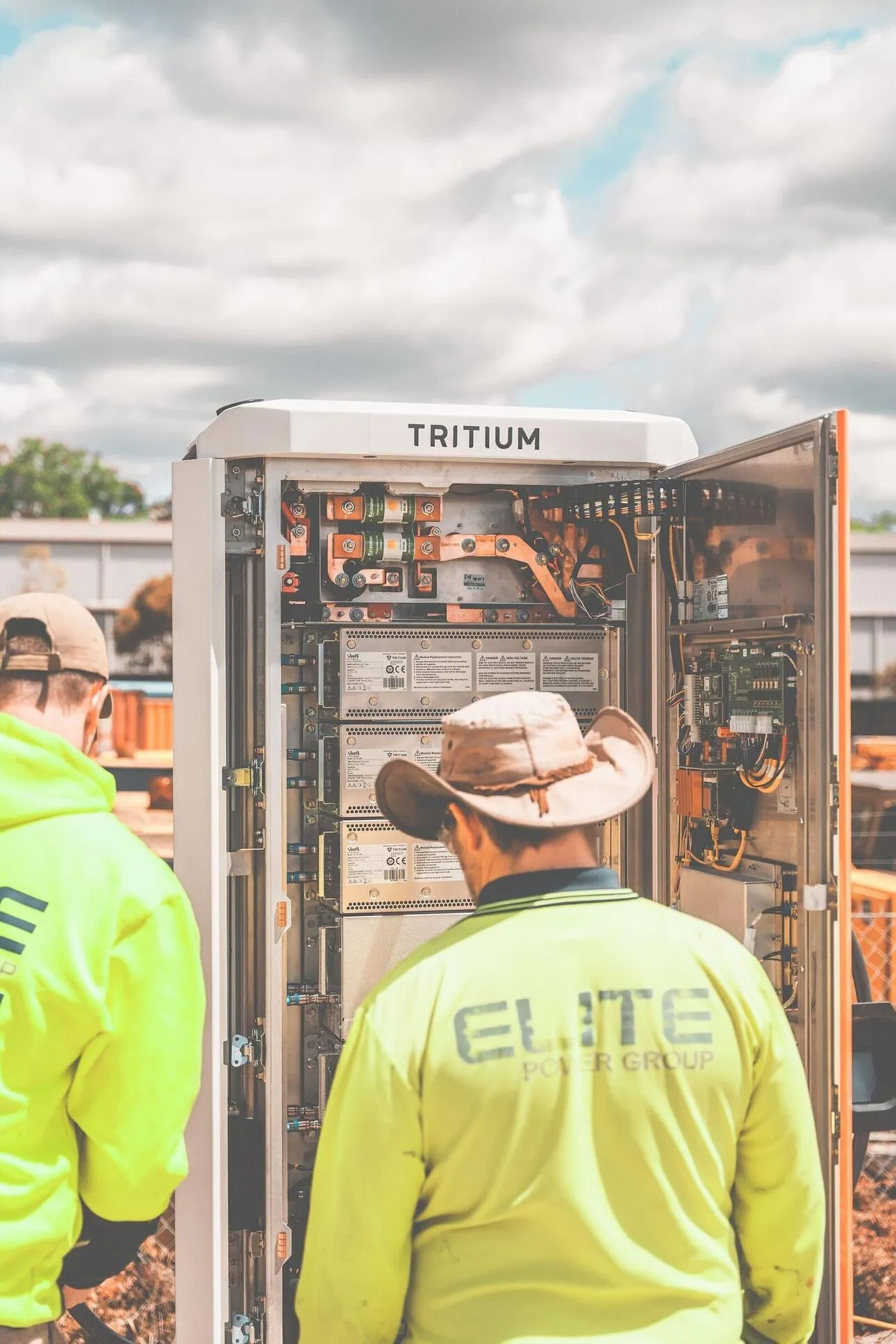
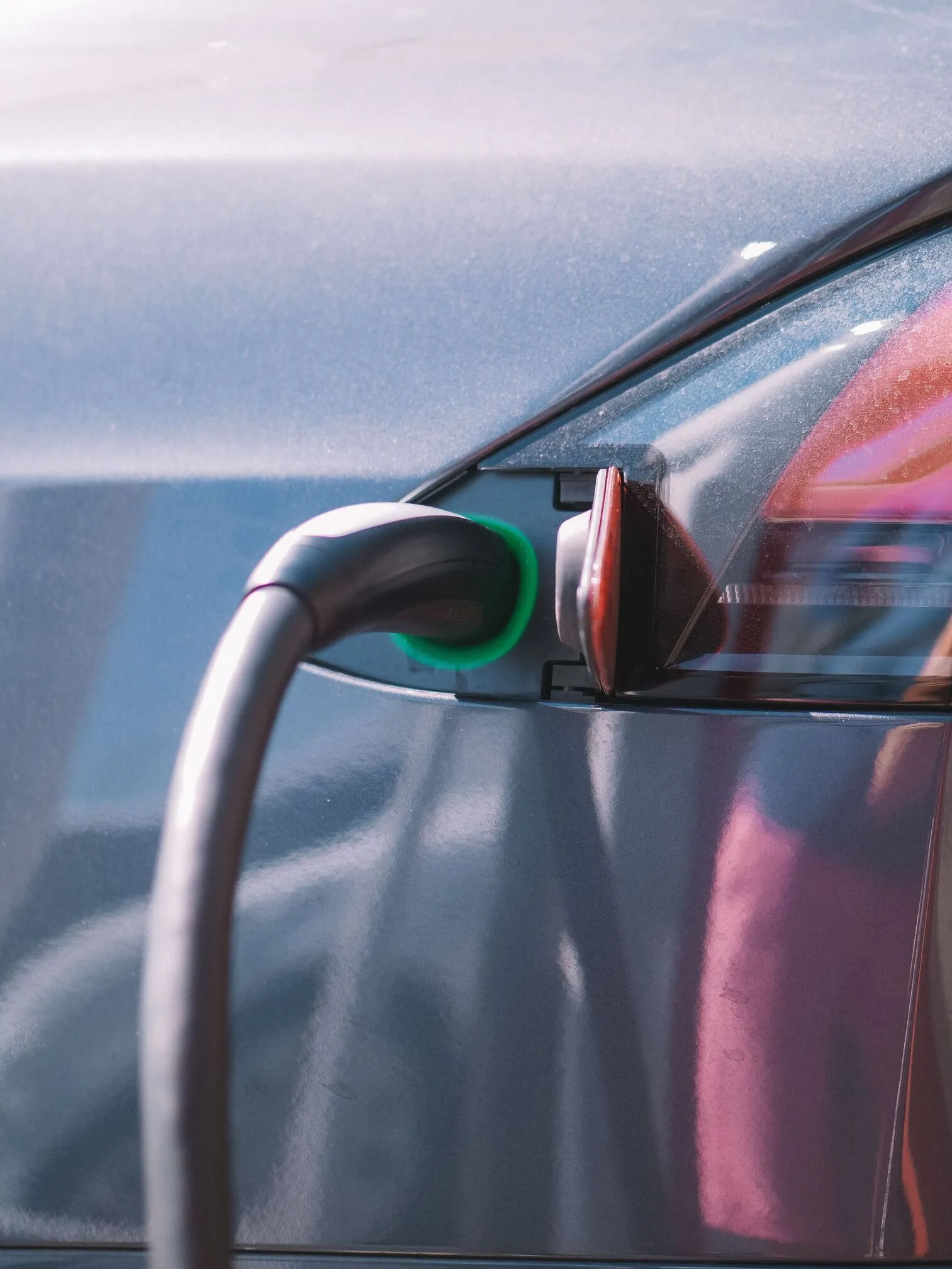
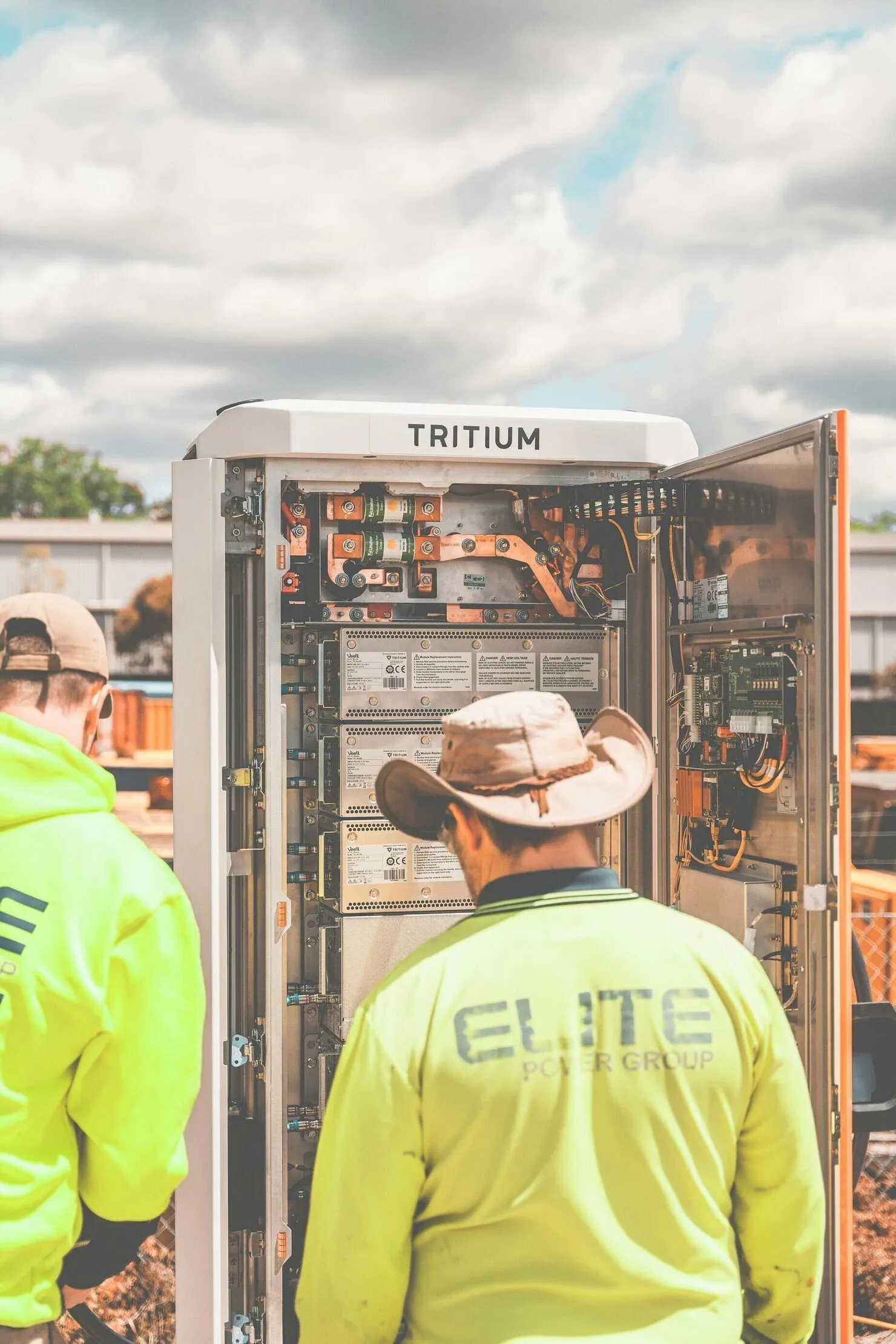
Preventive maintenance involves checking the installation before a visible malfunction appears. It can include checking torque settings, the condition of the cable, the connector, protections, communication, supervision, and access accessories like RFID badges.In a shared car park or a business, this monitoring is essential. An unavailable charging station doesn't just penalise one user: it can disrupt a fleet, vehicle rotation, or the site's image.
- Visual inspection of the station and its mount.
- Checking the cable, connector, and signs of overheating.
- Verification of electrical protections.
- Load testing and functional check.
- Checking supervision, badges, or connectivity if the station is managed.
When to trigger corrective maintenance?
Corrective intervention should be planned as soon as an abnormal sign appears: repeated tripping, interrupted charging, residual current faults, damaged connectors, overheating, recurring error messages, metering inconsistencies, or inability to start a session.These signals should not be trivialised. A station that works only half the time may hide a problem with protection, communication, loose connections, or equipment ageing.
Safety Point
EVSE maintenance is not something to be improvised. It must be carried out by a qualified and authorised professional when regulations require it.
EVSE maintenance is not something to be improvised. It must be carried out by a qualified and authorised professional when regulations require it.
Shared stations: monitoring availability
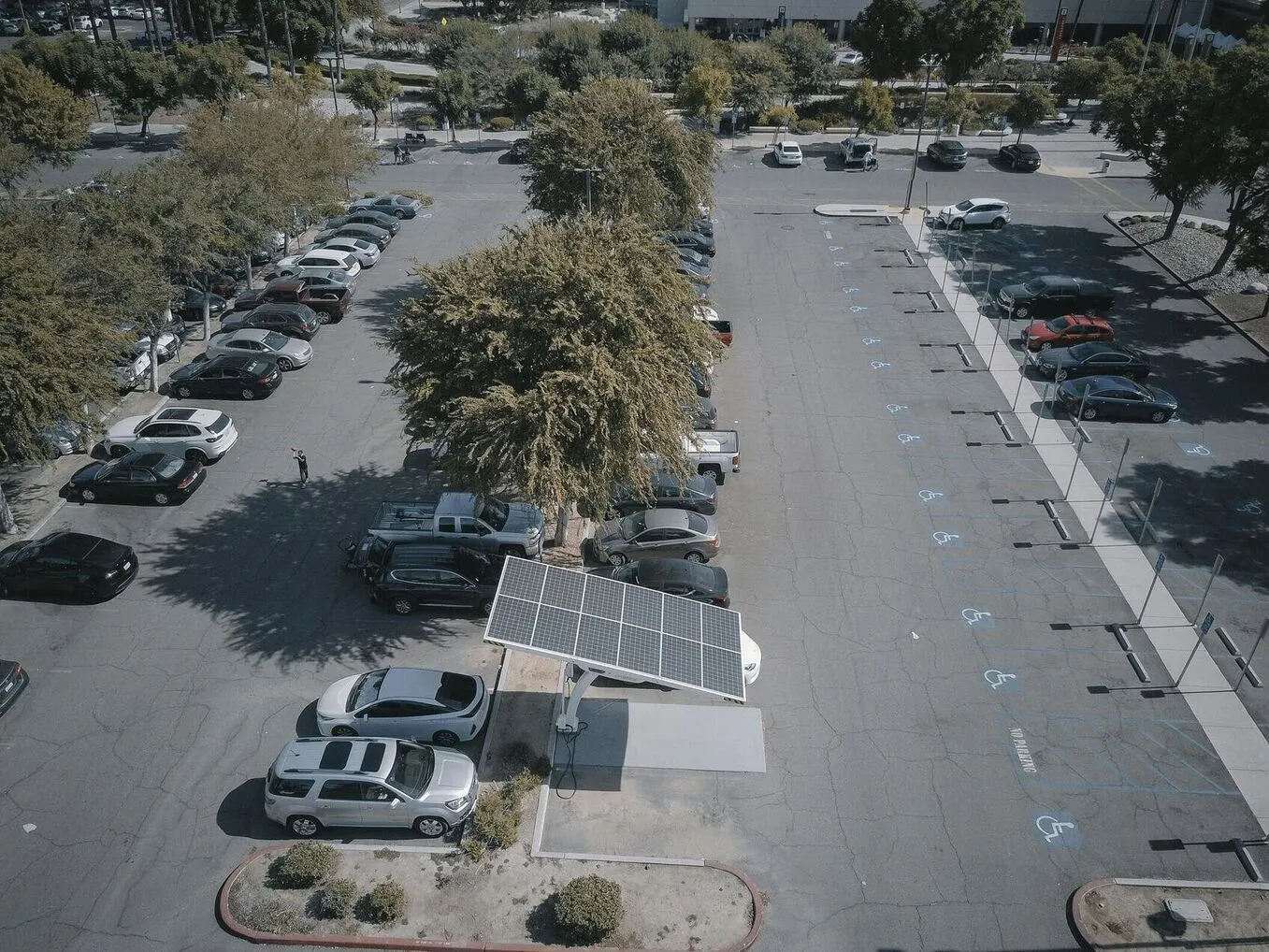
For stations open to the public, in apartment blocks, or at workplaces, availability becomes a key indicator. You must track charging success rates, breakdowns, intervention times, and user feedback.In a collective infrastructure, the agreement or contract must clarify upkeep, inspections, replacements, and responsibilities. These points prevent deadlocks when multiple users depend on the same equipment.
Compliance and inspections
Certain EVSE installations require specific certifications or inspections, particularly depending on power output, collective context, or commissioning procedures. These requirements must be anticipated from the design stage, not discovered after the work is done.Well-organised maintenance also allows for a useful history: interventions, observations, replaced parts, corrected anomalies, and recommendations for the future.
The MGTEC approach
MGTEC supports charging station installations with a focus on long-term reliability. We don't just look at whether the station charges today: we check if it can continue to operate properly, safely, and with a consistent service level for the user.For a home charger, a residential complex, or a company car park, the right reflex is the same: intervene early, document checks, and never let an electrical anomaly become a habit.