A feasible project, provided the right framework is in place
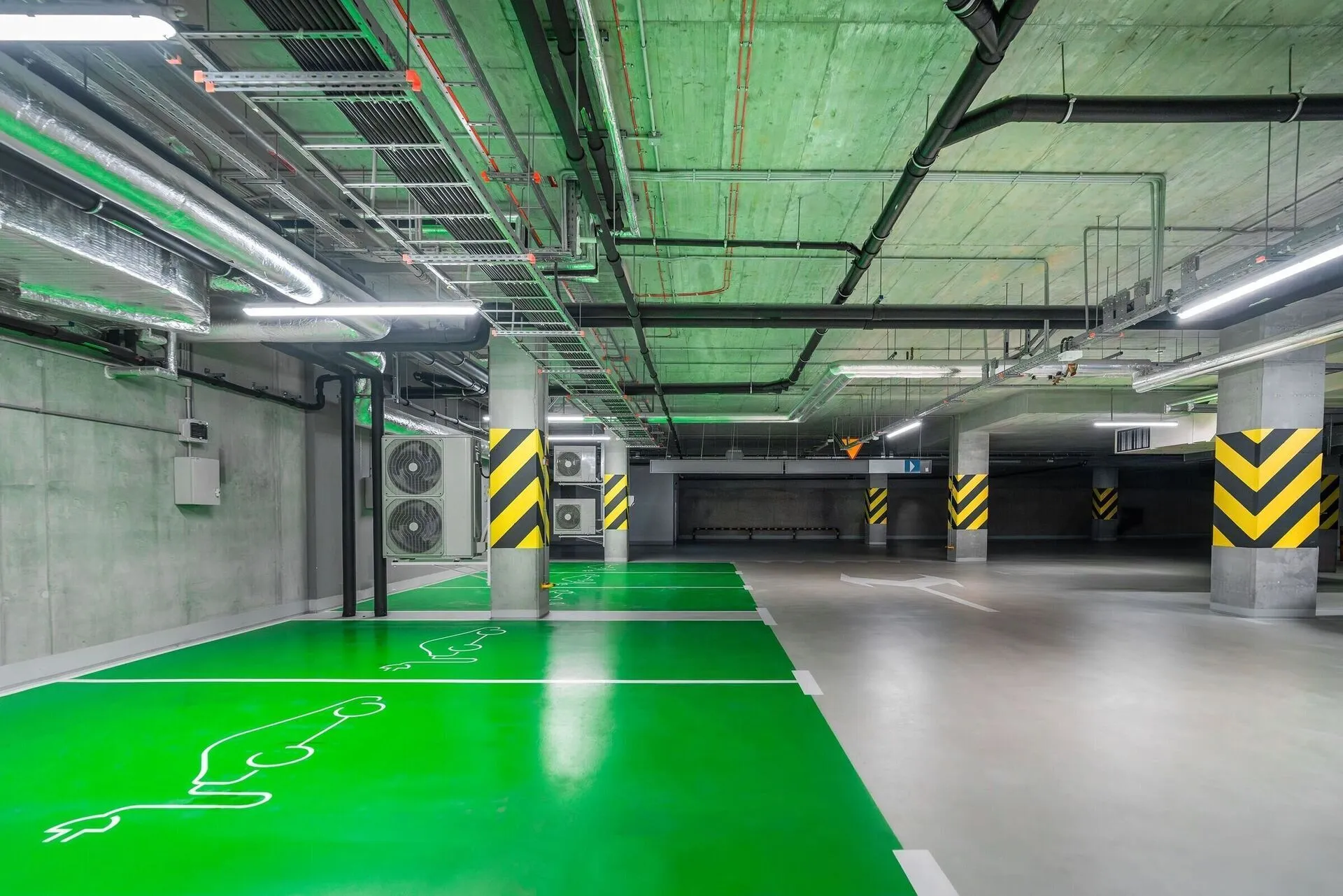
Installing a charging point in a shared residential building (copropriété) is possible, but it is not the same as a project for a detached house. You must take into account the "right to charge", common areas, the building's electrical capacity, metering, and scalability if other residents wish to equip themselves later.At MGTEC, we approach this type of request with a simple logic: making the file understandable for the co-owner, the property manager (syndic), and the residents' committee, while avoiding a fragile installation that is difficult to upgrade.
Right to charge: what you need to understand
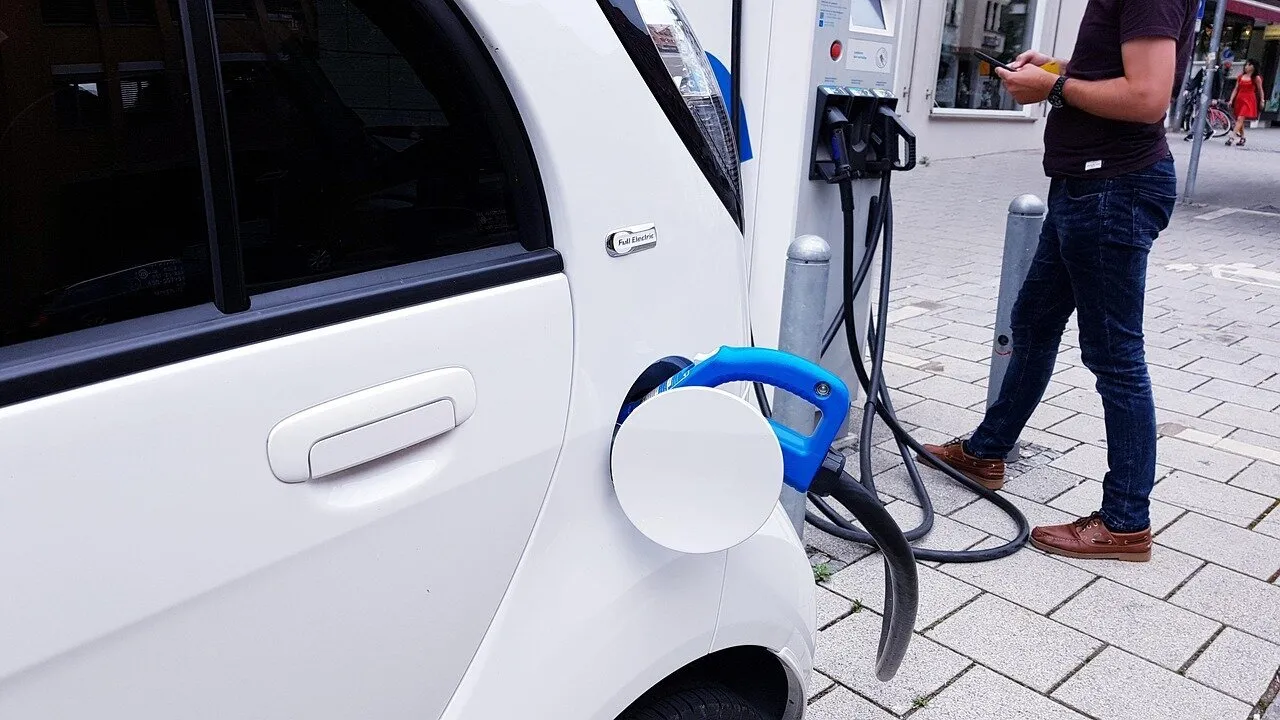
The "right to charge" allows an occupant with a secure private parking space to request the installation of a charging point at their own expense, with individual metering. The owners' association cannot oppose it without a serious and legitimate reason.In practice, this does not exempt you from preparing a proper technical file: location, cable routing, protections, access to technical rooms, metering methods, and the intervention of a qualified professional. The clearer the file, the smoother the processing by the property manager.
MGTEC Point
The issue is not just about fitting a charger. You must show that the installation respects the building, the common usage, and electrical safety.
The issue is not just about fitting a charger. You must show that the installation respects the building, the common usage, and electrical safety.
Individual charger or collective infrastructure?
Two approaches are common. The first consists of connecting an individual charger for a specific space. It may be suitable for an isolated need if the routing and metering are simple.The second consists of setting up a collective infrastructure capable of serving several spaces. This solution requires more coordination, but it often becomes more relevant when several residents are interested or when the building wants to anticipate future needs.
- The individual solution responds quickly to a specific request.
- The collective solution facilitates scalability and power management.
- The choice depends on the car park configuration, the electrical panel, the number of spaces, and the likely rate of equipment adoption.
What the property manager needs to be able to analyse
A property manager needs concrete information: who is intervening, where the cable runs, how consumption is measured, what protections are planned, who maintains the installation, and how common areas remain accessible.For collective projects, the agreement must also clarify maintenance, inspections, equipment replacement, continuity of service, and access to installations. This is an essential point to avoid grey areas once the work is finished.
Grants and funding: be cautious with amounts
The ADVENIR programme may apply to certain projects in collective buildings, but criteria, caps, and scales change. It is therefore preferable to check eligibility at the time of the quote rather than relying on an amount read several months prior.Our role is to help you set the right technical scope before seeking funding schemes compatible with the actual situation of the building.
MGTEC Support
MGTEC can intervene upstream to qualify the need, verify feasibility, prepare useful information for the property manager, and propose a solution adapted to the car park. The objective is to obtain a clean, secure, and scalable installation, without multiplying back-and-forth between the co-owner, property manager, and service provider.Before starting work, we always recommend validating three points: the available electrical capacity, the metering solution, and maintenance responsibility. These details often make the difference between an installation accepted on paper and a reliable installation in the long term.